The MA in Creative Practice is an adaptable, professionally focused program. It is designed for students with a background in studio art who seek to deepen their expertise across disciplines such as animation, ceramics, drawing, graphic arts, illustration, painting, performance, photography, printmaking, sound, video, and more.
This interdisciplinary program is ideal for those who wish to build on studio experience and gain advanced credentials without committing to a terminal degree such as an MFA. Students can complete the residential program in one year while attending full-time or in 12-24 months while attending part-time.
Whether you are looking to advance your career in a creative field, prepare your portfolio for further study in an MFA program, or further develop your art practice, the customizable and flexible nature of this program allows you to focus on your areas of interest and achieve your individual goals. As part of the program’s core requirements, you’ll complete upper-level studio and liberal arts courses at SMFA at Tufts, located in the Fenway neighborhood of Boston, and the Graduate School of Arts and Sciences. Artists will complete a final creative project and participate in a public artist talk.
In addition to the general application requirements, the program requires the following supplemental information:
Official TOEFL, IELTS, or Duolingo English Test scores, if applicable: A minimum TOEFL score of 90 (iBT), IELTS score of 6.5, or Duolingo score of 100 is required for admission.
GSAS bills tuition using a per-credit billing model, meaning you are billed for the number of credits you take each semester. This billing model is used to provide students better flexibility so they may "pay-as-they-go".
| Tuition* | $1,270 per credit |
| Total Credits Required | 30 |
| Enrollment Status | Part-Time: 1-2 courses per semester (3-6 credits) Full-Time: 3-4 courses per semester (9-12 credits) |
This example pathway outlines estimated tuition costs per semester using a typical full-time course load. This is one possible pathway to completion; actual credits, costs and degree completion time may vary based on a student’s course load.
| Full-Time Pathway | Fall | Spring | Total |
| Year 1 | 15 credits | 15 credits | 30 credits |
| $19,050 | $19,050 | $38,100 | |
| Estimated Total Tuition Before Aid* | $38,100* | ||
Note: this example does not account for any scholarships that may be awarded at the time of admission. GSAS offers generous merit- and need-based tuition scholarships for qualified applicants. A list of funding opportunities is provided below.
*Estimated based on 2025-2026 tuition rates. Rates are subject to change each academic year. For further information about the full cost of attendance, including fees and estimated indirect costs (housing, transportation, etc.), visit Student Financial Services.
At Tufts University, we believe that every qualified applicant should have the opportunity to pursue graduate study, regardless of financial circumstances. We are committed to helping you navigate the financial aspects of your education and strive to make graduate school accessible through a variety of support options.
Visit our Graduate Financial Aid page for information on loans and financing options.
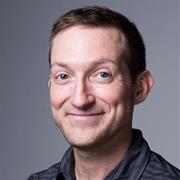
Research/Areas of Interest: digital media, history, representation, videogames, 3d, painting
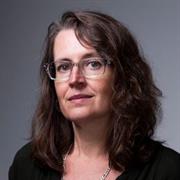
Research/Areas of Interest: Ecology, Artistic Upcycling, Recycling,
Research/Areas of Interest: Her research spans many forms of visual culture: she has published and presented on how new scientific approaches to the unconscious mind informed the work of American artists and critics in the early 20th century; on poetic satire and pictorial criticism of modernism in the 1916 Spectra hoax; on transatlantic encounters with the oceanic commons in art; on coordinated human and animal aesthetics in millinery fashion; and on the fabrication and perception of fly fishing lures, among other examples of 19th century 'ecologies of mind.'
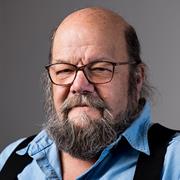
Research/Areas of Interest: He specializes on the sculpture and architecture of the Mexica (Aztec) and socio-political history and visual culture of colonial Mexico. His interests include visual manifestations of indigenous governance, Pre-Columbian architecture and urbanism, global interactions of the sixteenth and seventeenth century, colonial and post-colonial visual strategies, Open Churches of Sixteenth Century Mexico, the Habsburg empire, kunstkammer, museum studies, and modern architectural history.
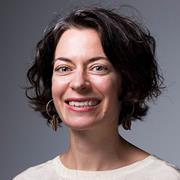
Research/Areas of Interest: My research focuses on co-creation and collective knowledge production through interdisciplinary creative practices and participatory action research. This work encompasses civic engagement, socially engaged art, and social practice art, and explores the aesthetics of protest and social justice within the context of intersectional feminism. I address cycles of violence, migration and displacement, discrimination, and advocate for LGBTQIA+ rights, animal rights, and the prevention of sexual assault and violence against women.
Research/Areas of Interest: Animation and Filmmaking, New Media, Decolonisation
Research/Areas of Interest: Print Media, Multiples, Performance, Sculpture, Installation, Site-Responsive Projects, Writing, Sound, Graphics, Publications, Ephemera
Research/Areas of Interest: Moving image Studies, Visual Culture Studies, Trauma and Memory Studies, Avant-garde and Non-Fiction Cinema, Cinematic Ontologies and Temporalities, Modernity Studies
Research/Areas of Interest: In my work, I access contemporary social issues by making connections with personal narratives, history, and popular culture. I freely combine research methodologies and artistic strategies from various disciplines such as photography, documentary, graphic design, performance, storytelling, installation, and social interventions. My work is project based. I draw from academic research as much as intuitive explorations in the graphic arts. I explore projects over the span of several years the work can transform into exhibitions, installations, publications, performances and street happenings. . As I approach my work from a conceptual frame, the form is wide ranging; fabric banners, to ceramic plates, oil paintings produced in factories, resin cast sculptures and news media ads. Often the project culminates in an artist's publication. Educated as a designer I've used the computer since the mid-80s and was actively participating in the digital revolution that came through image manipulation software, desktop publishing, internet communication, web publishing and more recently mass customization. Text and language is an inherent part of my work; interviews, personal narrative, found text, all have the potential to contextualize the imagery. The book format allows me to develop an idea in much greater detail and create dialogues outside art establishments where it can reach a wider audience. With my collaborator (and husband) Mike Mandel, I actively interact with the media as part of the work. We have given press conferences and staged street events to open the work to a non-art audience. . Under the imprint of Eighteen Publications, Mike and I have self-published several artist's books. Our combined skills in photo, graphic design, printing and publishing enables us the artistic freedom from the industry. We are committed to create works of art that are cheap and accessible to a wider audience. As my studio practice evolves, I have embraced the rapid changes in technology and in recent years I've also used print-on-demand technology and Risography along with offset printing to produce and distribute my work.